 Article
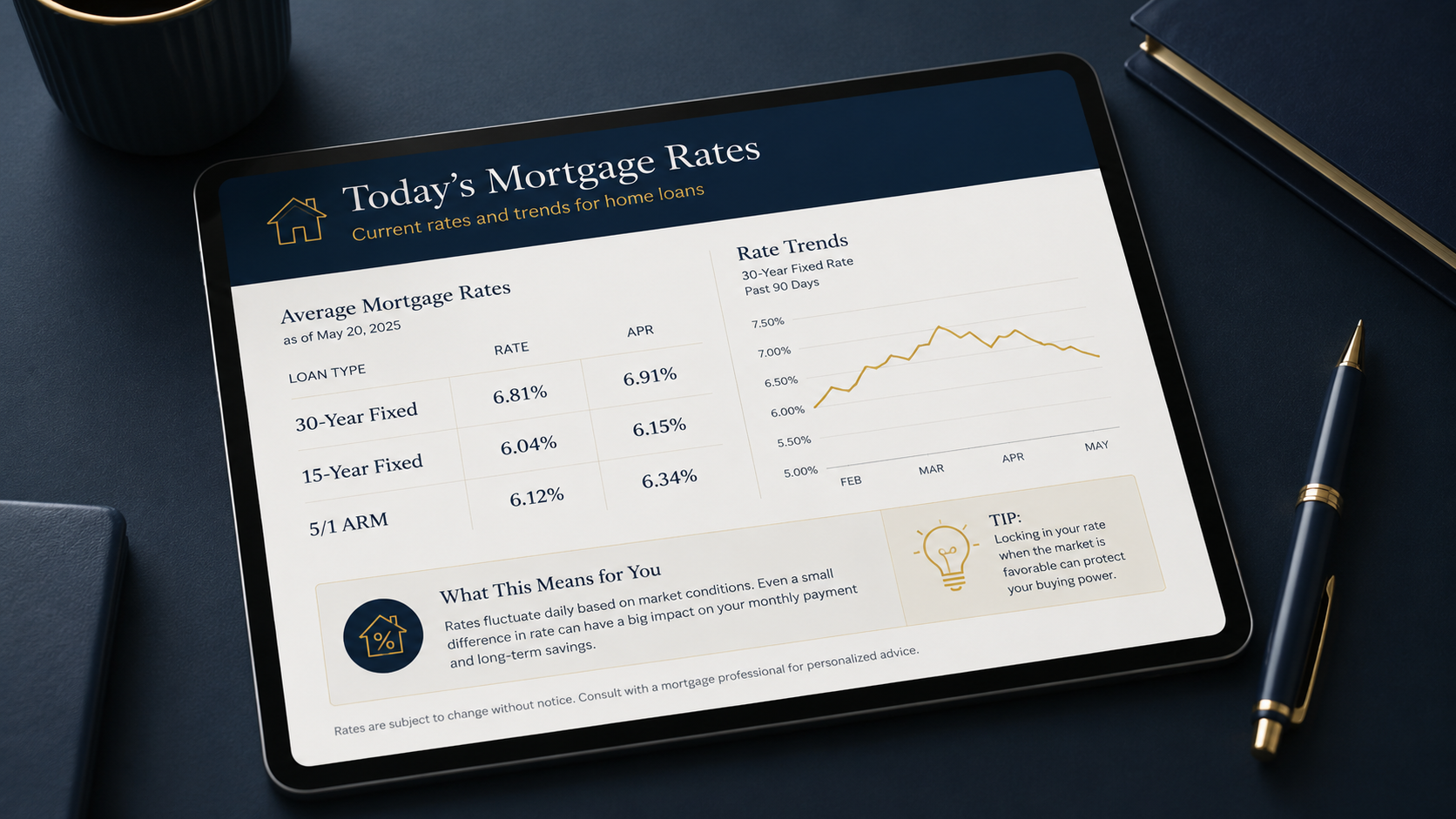
Understanding Mortgage Rates
What drives rate movement and how to position yourself for the best terms.

Access expert insights and practical resources to make smarter real estate and financial decisions.
Practical articles, guides, and videos to help you make informed decisions at every stage.
Article
What drives rate movement and how to position yourself for the best terms.
 Guide
Guide
A clear walkthrough of coverage types and how to choose the right policy.
 Article
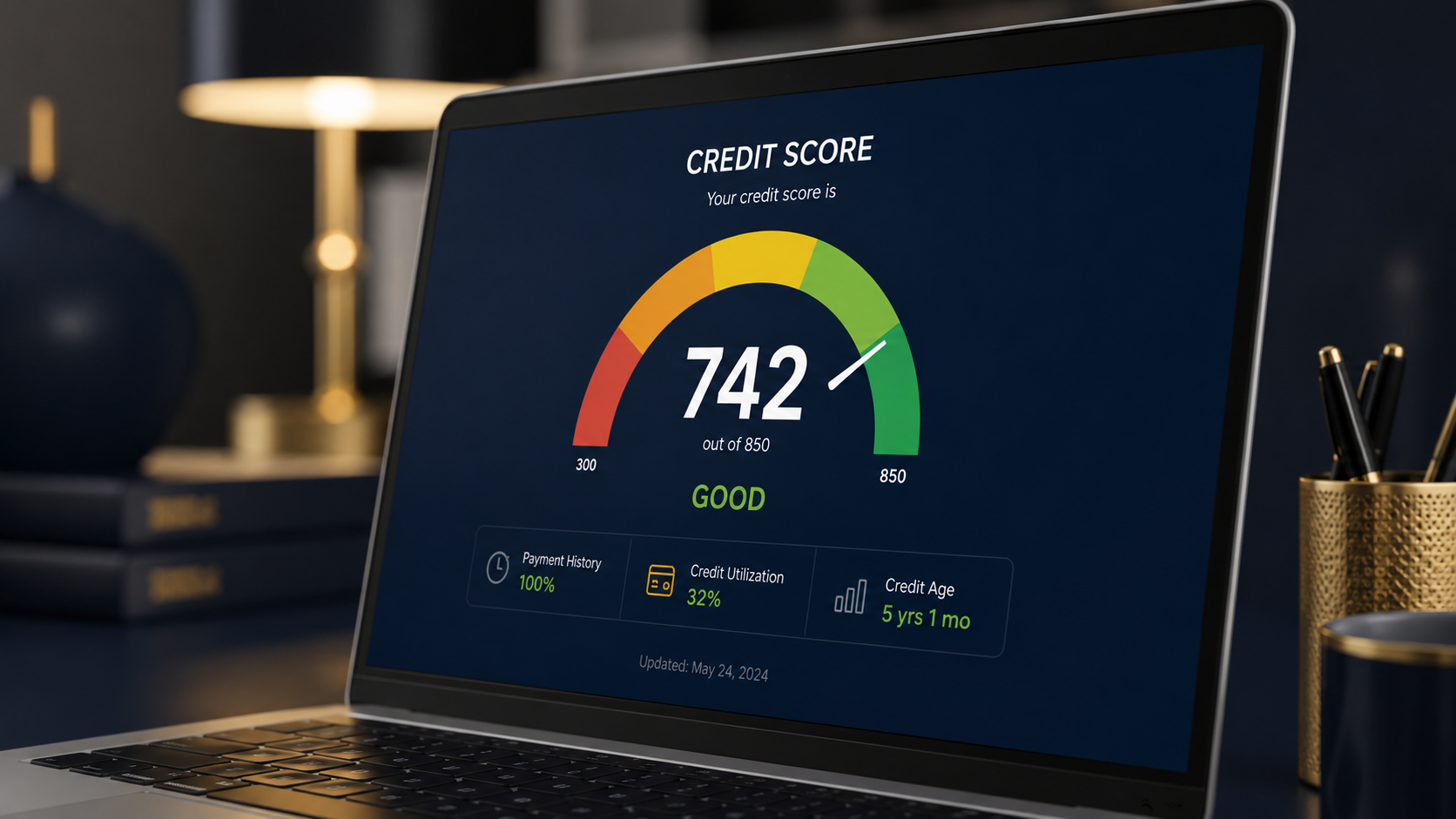
The key factors that shape your score and how to improve them steadily.
 Video
Video
Watch our advisors break down what to look for before you invest.
 Guide
Guide
Foundational principles for building a long-term financial strategy.
 Video
Video
Everything to organize before you start touring homes and making offers.
No resources found in this category yet. Check back soon.
Buying a home is one of the biggest financial decisions you'll ever make. One of the first terms you'll hear is mortgage rate.
If you've ever wondered what a mortgage rate is, why it matters, or how it affects your monthly payment, this guide is for you.
Let's break it down in simple terms.
A mortgage rate is the interest a lender charges you for borrowing money to buy a home.
Think of it this way:
If you borrow money from someone, you'll usually pay back the amount you borrowed plus a little extra for using their money. That "extra" is called interest.
A mortgage rate is simply the percentage used to calculate that interest.
Your mortgage rate affects how much you'll pay every month and how much you'll pay over the life of your loan.
Even a small difference in the interest rate can make a big difference. For example:
That's why finding the right mortgage matters.
Mortgage rates aren't the same for everyone. Several factors can influence the rate you receive.
Your credit score tells lenders how you've handled credit in the past. Generally:
A down payment is the amount of money you pay upfront when buying a home. In many cases, the larger your down payment, the better your loan options may be.
Different loan programs have different interest rates and requirements. The best loan for one person may not be the best option for someone else.
Mortgage rates also change based on what's happening in the economy. Inflation, government policies, and financial markets can all influence whether rates go up or down. This is why mortgage rates can change from day to day.
There are two common types of mortgage rates.
With a fixed-rate mortgage, your interest rate stays the same throughout the loan. Your monthly principal and interest payment remains consistent, making it easier to budget. This option is popular with buyers who prefer predictable payments.
An adjustable-rate mortgage usually starts with a lower interest rate. After a certain period, the rate can increase or decrease depending on market conditions. This means your monthly payment may change over time.
Yes. While some factors are outside your control, there are steps that may improve your chances of qualifying for a better rate. These include:
Many people wait, hoping mortgage rates will become lower. The truth is, no one can predict exactly what mortgage rates will do in the future. Sometimes waiting helps. Sometimes it doesn't.
Instead of trying to time the market, it's often better to focus on whether buying a home makes financial sense for you today.
Mortgage rates are an important part of buying a home, but they shouldn't be the only thing you consider.
Your budget, income, goals, and the right loan program all play a role in finding the best mortgage for your situation.
Understanding how mortgage rates work puts you in a better position to make informed decisions and feel more confident throughout the home-buying process.
If you're thinking about buying a home or simply want to understand your mortgage options, we're here to help.
At Dibba Wealth, we believe informed clients make better decisions. Whether you're buying your first home, refinancing, investing in property, or just exploring your options, our team is happy to answer your questions and guide you through the process.
GuideWho this guide is for:
What you'll learn:
Insurance is a financial agreement between you and an insurance company. You pay a premium, and in return the insurer agrees to help cover certain financial losses if a covered event occurs. Think of it as a safety net — you hope you never need it, but it's there when life takes an unexpected turn.
Quick Tip: Insurance is not an investment. Its primary purpose is to protect you from financial loss.
Unexpected events such as accidents, illnesses, theft, or natural disasters can be expensive. Insurance helps reduce the financial burden and gives you peace of mind knowing you're better prepared.
Q: Do I need insurance?
A: It depends on the type, but many forms of insurance provide valuable financial protection.
Q: Is the cheapest policy always the best?
A: No. Always compare coverage as well as price.
Q: Can I have more than one insurance policy?
A: Yes, many people have multiple policies covering different aspects of their lives.
At Dibba Wealth LLC, we believe that informed decisions lead to better financial outcomes. Whether you're buying your first home or simply learning about insurance, our team is here to help you understand your options and move forward with confidence.
ArticleIf you're planning to buy a home, apply for a loan, or even rent an apartment, you've probably heard people talk about credit scores.
But what exactly is a credit score, and why does it matter?
Don't worry if you're new to the topic. This guide will explain everything in simple terms.
A credit score is a number that helps lenders understand how you've managed borrowed money in the past.
Think of it as a financial report card.
When you apply for a mortgage or any type of loan, lenders look at your credit score to help decide:
A higher credit score generally shows that you've managed credit responsibly.
Your credit score can affect more than just getting approved for a loan. It may influence:
In many cases, a stronger credit score can help you save money over the life of your loan.
Your credit score isn't based on just one thing. Several factors work together.
One of the biggest factors is whether you pay your bills on time. Making payments when they're due helps build a positive credit history. Missing payments or paying late can lower your score.
This refers to how much of your available credit you're using. For example: if your credit card limit is $1,000 and you've used $300, you're using 30% of your available credit. Generally, using less of your available credit is viewed more positively than using most of it.
The longer you've responsibly managed credit, the more information lenders have about your financial habits. This is why keeping older accounts open, when appropriate, can sometimes be beneficial.
Having different types of credit, such as credit cards, auto loans, or other loans, may contribute to your overall credit profile. However, you should never borrow money just to improve your credit score.
Each time you apply for certain types of credit, a lender may review your credit report. Applying for many loans or credit cards within a short period may affect your score. It's usually best to apply only when you truly need credit.
Different lenders have different requirements. In general:
Remember, your credit score is only one part of the decision. Lenders also consider your income, debts, employment, and other financial information.
Yes. Many people believe they need a "perfect" credit score before buying a home. That's not always true.
Some mortgage programs are designed to help borrowers with lower credit scores qualify, provided they meet other lending requirements. The right loan option depends on your overall financial situation.
Improving your credit score doesn't happen overnight, but small habits can make a big difference over time. Here are a few helpful tips:
Consistency is key.
Myth 1: Checking Your Own Credit Score Will Hurt It.
False. Checking your own credit score is considered a personal review and generally does not lower your score.
Myth 2: You Need Perfect Credit to Buy a Home.
False. Many homebuyers qualify for mortgages without having a perfect credit score.
Myth 3: Closing Old Credit Cards Always Improves Your Score.
Not necessarily. Closing older accounts can sometimes reduce the length of your credit history or affect your available credit, depending on your overall financial situation.
Your credit score is an important part of your financial journey, but it doesn't define your future.
Good financial habits, responsible borrowing, and consistent payments can help strengthen your credit over time.
Whether you're planning to buy your first home or simply preparing for the future, understanding how credit works is one of the smartest financial decisions you can make.
If you're thinking about buying a home but aren't sure whether your credit is ready, we're here to help.
At Dibba Wealth, we help clients understand their mortgage options and guide them through the home-buying process. No matter where you're starting, we'll help you understand the next steps so you can move forward with confidence.